

In the busy world we live in, stress and anxiety are the norm. That’s why it’s easy to forget that we hold within us the power to create inner peace and balance. If you haven’t realized it yet, this superpower comes from mindfulness – a practice that can help you unlock your inner superhero.
So let’s embark on this enlightening journey to discover what mindfulness is, how it works, and how we can tap into its incredible potential. You don’t want to miss the rest of the article!
What Is Mindfulness?
Let’s start by explaining what mindfulness really means.
Mindfulness is a state of being fully present in the moment. It’s being aware of your thoughts, feelings, physical sensations, and the world around you. It’s not about perfection or overthinking, but it’s about noticing what’s happening right here, right now. And doing it with curiosity and openness, but without judgment or distraction.
When we are mindful, life feels lighter. We stop chasing and start noticing, and the good things naturally find us. Whether it’s being in awe of nature or sparing a moment to take care of yourself, mindfulness helps you connect with beauty in your daily life.
At its core, mindfulness is not just about awareness. It’s about being attentive to the things that truly matter. It encourages us to listen to our dreams and thoughts, and to be curious about them rather than dismissive. By paying attention, we can discover insights that will lead us toward personal growth and fulfillment.
The Importance Of Being In The Moment
The magic of mindfulness happens in the now. It’s about letting go of distractions and really being here, in this moment. Not in the past, replaying old conversations, and not in the future, worrying about what’s gonna happen next. Just here.
When you’re mindful, you tune in to your thoughts and dreams with curiosity rather than judgment. It’s like listening to a loved one as you pay attention and try to understand what they’re saying.
This kind of presence also brings a calm, neutral energy. You are not tense or reactive, you’re simply observing and letting things flow.
Being present doesn’t just transform how we feel on the inside – it changes how we experience the world around us. Suddenly, little things like a gentle breeze, a smile from a stranger, or the way the sunlight dances on the window glass, feel more vivid, more alive.
Mindfulness is a practice. Nobody can be mindful every second of the day. But each time you pause and return to the moment, you’re building that skill. And over time, it becomes second nature, it becomes a way to live more deeply and joyfully in the here and now.

The Connection Between Openness, Lightness, And Mindfulness
You know that feeling when life just flows, when things seem to happen effortlessly, like everything is falling into place? That’s what openness and lightness can bring. And mindfulness is the secret ingredient.
When you’re open, you let go of resistance. You stop trying to control every little thing and allow life to unfold naturally. It’s not about being passive but about being curious and receptive. Openness creates space for opportunities, insights, and even joy to find us.
And then there’s lightness. Imagine carrying a heavy backpack all day long. The backpack is your worries, judgments, and stresses. Lightness is like putting that backpack down. You’ll feel free and refreshed. Lightness lets us approach life with a sense of ease, not tension.
What’s the best part? When you cultivate openness and lightness through mindfulness, all the good stuff starts coming to you – by itself, without you forcing it. For example, your relationships feel smoother, creativity flows, and solutions pop up out of nowhere. It’s as if life starts working with you instead of against you.
So, how do you adopt openness and lightness into everyday life?
Start small. Be curious instead of judgmental. Pause before reacting. Smile at the unexpected. You’ll notice that the more open and light you feel, the more good stuff will come – naturally and effortlessly.

Noticing The Wonders Of Nature
Have you ever noticed how nature has this magical way of grabbing your attention when you’re really present?
It’s as if the world is constantly putting on a show for you, like the glowing sunsets, the intricate veins on a single leaf, or the way a bird sings as if giving you a concert. Mindfulness is the key to noticing these wonders.
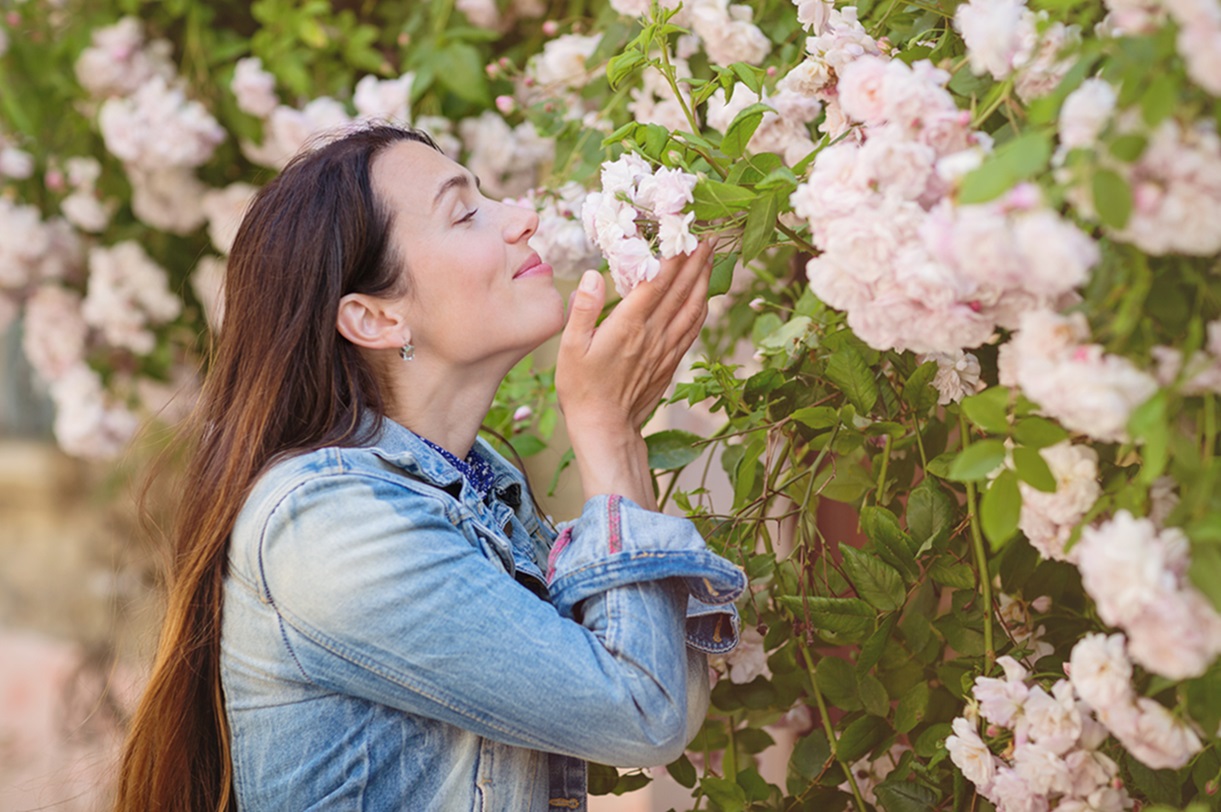
Every day, nature offers countless moments of beauty. But it’s so easy to overlook them when we’re caught up in our busy thoughts. When you pause, breathe, and really look around, you realize there’s so much to be amazed by. A soft breeze on your skin or the smell of fresh rain can become a tiny moment of joy.
Mindfulness helps us tune into these simple miracles. Don’t think that it’s about seeking out grand landscapes or perfect Instagram-worthy scenes. It’s about appreciating what’s right in front of you – the small and the subtle.
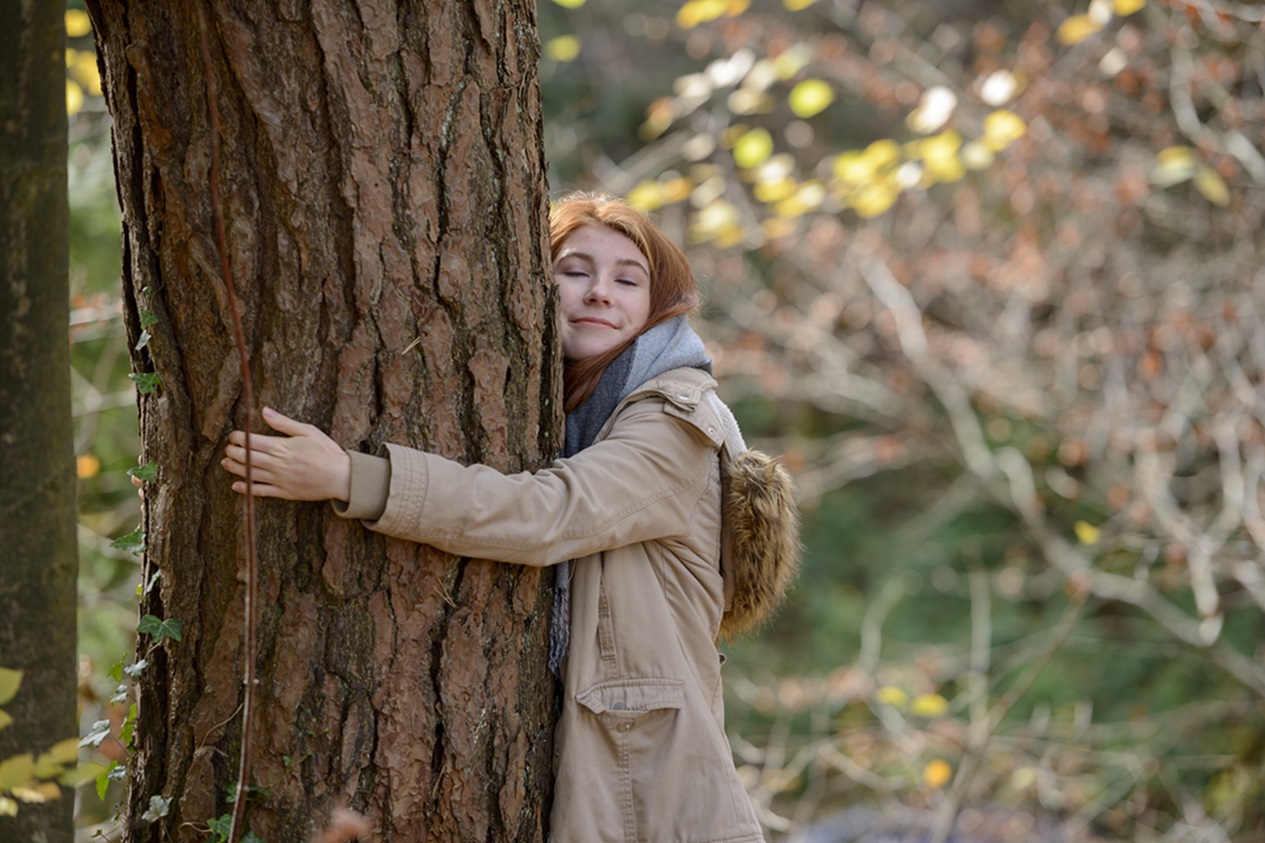
It can be as simple as stepping outside and feeling the ground under your feet or listening to the sound of birds in the morning outside of your window. Even in a busy city, there’s nature waiting to be noticed like a flower pushing through the cracks in the sidewalk.
Mindfulness is needed to see the wonders of nature. When you train your mind to pay attention and to notice, you’ll open your eyes and see the everyday wonders you overlook when you’re rushing around.
What kind of natural beauty speaks to you? Is it flowers, trees, the lake, or something else? And every day be amazed, because there are plenty of wonders around. That sense of awe will fuel gratitude and joy, and remind you of the abundance in your life.
Dedicating Time And Attention To Self-Care
Self-care isn’t just about pampering yourself – it’s about being present with yourself. When you take time to care for your skin, your hair, or your overall well-being, it’s an act of mindfulness. It’s saying, “I matter, and I’m worth this moment of attention.”
Think about the difference between rushing through your skincare routine while your mind is somewhere else and taking your time, feeling the textures of the products, and noticing how your skin responds. One feels like a chore, but the other feels like care. That’s the superpower of mindfulness.
When we take care of ourselves, when we dedicate time and attention to ourselves, energy simply follows. But this goes beyond physical care – it’s about tuning into how you feel. So feel, “Are you stressed? Tired? Content?“ When you’re mindful, you’re more attuned to what you need at the moment.
Your self-care doesn’t need to be complicated. It could be as simple as brushing your hair with intention, savoring a cup of tea, or giving yourself a quiet moment to just breathe. These small acts, done mindfully, can make a huge difference in how we present ourselves to the world.
So each time you take care of yourself, slow down. Be fully present. Notice your emotions, sensations, and the gratitude for this moment you’re giving yourself. It’s a gift, not just to your body, but to your soul.

Focusing On Emotions With Awareness
Our emotions can be like waves – sometimes we’re calm, sometimes we’re crashing. Mindfulness helps us ride those waves gracefully, instead of being swept away. Rather than controlling or suppressing your emotions, it’s about noticing them, feeling them, and letting them pass in their own time.
When we’re mindful of our emotions, we pause and tune in. So try, “What am I feeling right now? Where do I feel it in my body?” By naming and noticing your emotions without judgment, you create space to understand them. This is especially important because emotions are often messengers. They tell us that something needs our attention at a given time, whether it’s a boundary we need to set, a joy to celebrate, or a wound to heal.
Mindfulness also keeps us from getting stuck in the extremes. It reminds us to observe emotions as fleeting, because they are just temporary. So instead of saying, “I am angry,” mindfulness teaches us to say, “I feel anger right now.” Just be aware of what you say and what you think because every word is meaningful and can manifest itself. That small change gives us the freedom to experience emotions without letting them define us.
But being attentive to your emotions doesn’t mean indulging in every hard feeling or negative emotion, or avoiding the uncomfortable ones. It’s about recognizing them, thanking them that they are, and releasing them. Be attentive but be calm and neutral, act without any tension. Don’t react instinctively or impulsively. This will help you make better decisions.
For example, if you feel overwhelmed, pause. Breathe. And ask yourself, “What am I feeling, and why?” Be gentle with yourself. Emotions are part of being human, and mindfulness gives us the tools to navigate them with compassion and clarity.
Mindfulness As A Tool For Recognizing And Choosing What’s Good
Every day, we make countless choices. Some are small, like what to eat for dinner, and some are big, like how to spend our time or who to surround ourselves with. Mindfulness is like a compass that helps us navigate these decisions with clarity and intention.
When you’re mindful, you become more aware of what truly feels right for you. You don’t rush into decisions or go on autopilot. You pause and reflect, “Does this choice align with my values? Does it bring me closer to the life I want to create?” This pause can make all the difference.
Being mindful also means paying attention to how choices make us feel. When you say ‘yes’ to something – does it feel light and energizing, or does it feel heavy and draining? Mindfulness helps you notice these subtle cues so that you can choose what’s good for you like nourishing food, kind words, or an environment that makes you happy.
Obviously, it’s not always that easy. Life pulls us in many directions, and sometimes we feel pressured to choose what others expect of us. But mindfulness reminds us to come back to ourselves, to listen to that quiet inner voice that knows what’s best for us.
The beautiful thing about making conscious choices is that it often has an overall positive impact. When you choose what’s good for you, you bring more balance and positivity into your life. But this energy also naturally spreads to those around you.
So whenever you’re faced with a choice, pause, be attentive. Take a breath and ask yourself, “Is this good for me?” Mindfulness will help you find the answer, it will help you make a thoughtful decision.
How To Practice Mindfulness Every Day?
Mindfulness doesn’t have to be complicated or time-consuming. All you really need is to find small moments throughout the day to pause, breathe, and connect with yourself.
Here are some simple, practical ways to bring mindfulness into your daily life:
♥ Start your day with intention
Before you even get out of bed, take a moment to set an intention for the day. You might do some quick affirmations as well.
♥ Pause and breathe
Give yourself a few pauses throughout the day, even for 30 seconds. They will help you reset and refocus. Stop what you’re doing, take a deep breath, and just notice how you feel in this moment.
♥ Practice mindful listening
Whether you’re chatting with a friend or listening to birds outside, give your full attention. Notice the sounds, the tone, and your emotions. This is a simple way to strengthen your presence and deepen your relationships.
♥ Be present in routine tasks
Turn everyday activities into moments of mindfulness. Washing the dishes? Notice the warmth of the water and the feel of the soap. Brushing your hair? Focus on the sensation and be thankful for this time you’re dedicating to yourself.
Even when you’re arranging a dishcloth on the sink or hanging a roll of toilet paper on the holder. Just stop at the fact that you’re doing whatever it is you’re doing, and smile to yourself, smile to it, and focus your attention on it.
Let me tell you a secret – if you do things automatically, you become automatic. So pay attention and be mindful when you’re washing up, when you’re cleaning, or when you’re working out.
Energy should follow mindfulness, so stop at what you are doing, pause, take notice, and reconnect with yourself.
♥ Go for a mindful walk
Take a walk and really pay attention to your surroundings. Notice the colors of the leaves, the texture of the ground, or the rhythm of your steps. Walking mindfully can help clear your mind and ground you in the present.
♥ Engage your senses
Pause to tune into your senses several times during the day. What can you see, hear, touch, taste, or smell? This is a quick and effective way to bring yourself back to the moment, especially if you’re feeling overwhelmed.
♥ Keep a journal for reflection
Spend a few minutes writing down your thoughts, dreams, or observations. Mindful journaling can help you process emotions and uncover insights you might otherwise miss.
♥ End your day with gratitude
Before bed, take a moment to reflect on your day. What did you notice or learn? What brought you joy? Focusing on the positive moments helps you close the day with a sense of peace and appreciation.
Last but not least…
Don’t worry, you don’t have to do everything perfectly all the time. Mindfulness isn’t about perfection. It’s about learning to be present, to listen to yourself, and to approach life with curiosity and openness. And paying attention to your words, emotions, actions, and desires.
So choose a practice or two from the list above, whatever feels right for you, and start there. Over time, these little moments of mindfulness will add up to big changes in how you experience life.
One choice and one moment at a time, you’ll create a life that feels aligned with your true values, is meaningful and full of lightness. And that’s the true reward of mindful living.

