

In the whirlwind of our modern lives, with notifications beeping incessantly and deadlines looming like storm clouds, the pursuit of mental peace has become more important than ever. Our hectic, always-connected world often leaves us feeling overwhelmed, anxious, and mentally drained.
The noise and daily stressors, from work pressures to social media, can drown out the quiet whispers of our inner selves. We yearn for a moment of peace and quiet. That’s why it’s essential to cultivate a peaceful mind for overall well-being.
In today’s article, you will learn practical strategies and current trends in mindfulness practices that can help you carve out your own sanctuary of calm in a busy life.
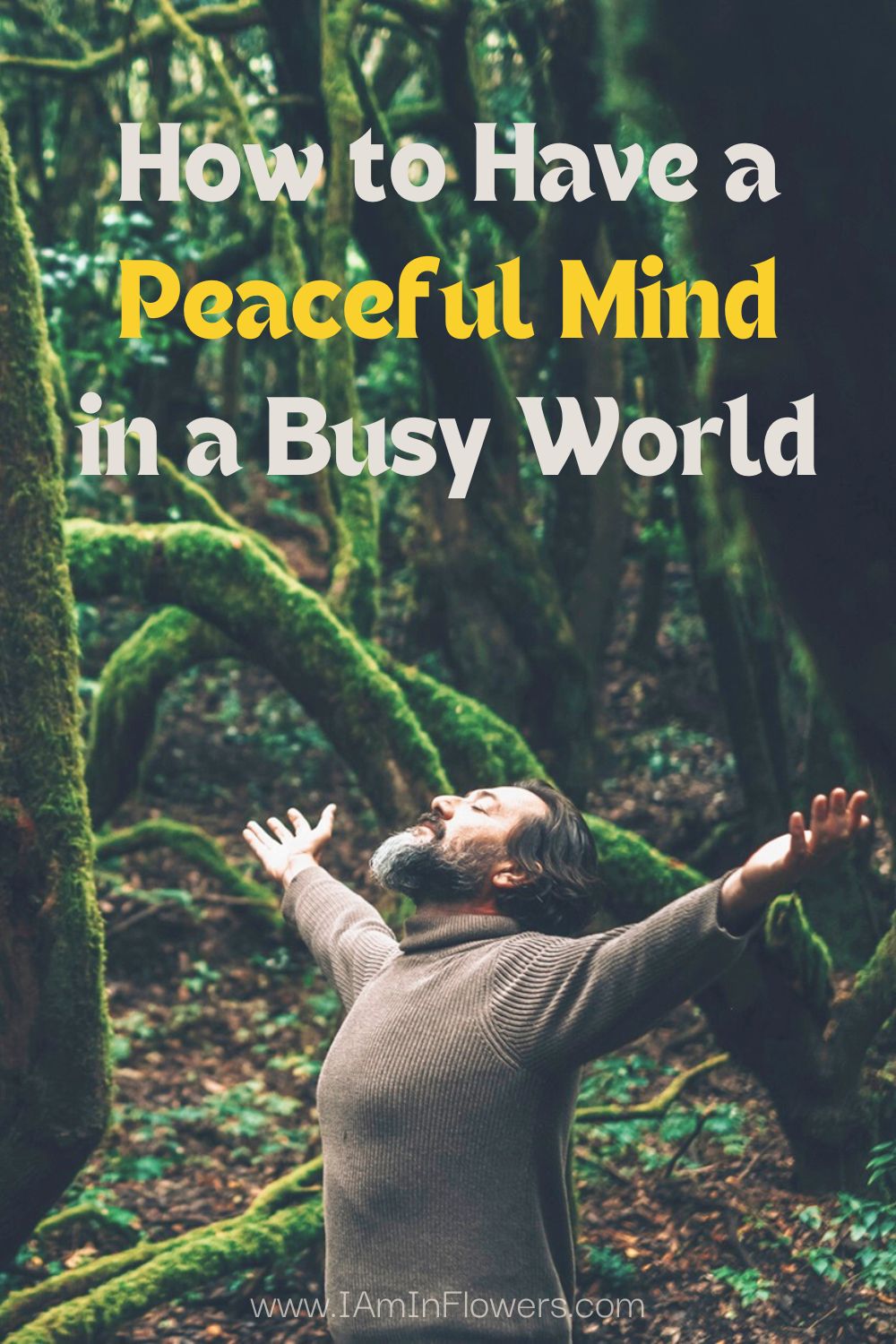
What Is Inner Peace?
The importance of mental peace in this hectic world cannot be overstated. It serves as an oasis of calm in the desert of chaos, offering respite to our overworked minds and souls.
Inner peace, however, is far more than just a fleeting moment of calmness or a temporary absence of worry. It is a profound state of inner harmony and equilibrium. It’s a deep sense of serenity that comes from within and persists even in the face of life’s inevitable challenges and upheavals.
When we are at peace with ourselves and the world around us, we are better equipped to handle life’s challenges with grace and resilience.
At its core, inner peace can be defined as a state of psychological and emotional balance characterized by a sense of contentment, inner calm, and an absence of conflict within oneself. It’s a state where the mind is free from excessive worry, anxiety, and negative thought patterns.
Those who experience mental peace often describe it as a feeling of being “centered” or “grounded,” regardless of external circumstances.
Inner peace is not just a luxury. It is a necessity for maintaining overall well-being. In a society that often glorifies busyness, cultivating a peaceful mind is a radical act of self-care and a powerful statement about prioritizing mental health.

Benefits Of Achieving Inner Peace
The benefits of achieving inner peace are both profound and far-reaching. When we nurture a tranquil mind, we open the doors to greater clarity and focus. This allows us to make better decisions and approach problems head-on.
Research has shown that individuals who cultivate inner peace experience lower levels of stress, anxiety, and depression.
A peaceful mind acts as a buffer against stress, reducing the risk of burnout and various stress-related health issues. It promotes emotional stability, which enables us to respond to life’s ups and downs with equanimity rather than reactivity.
Moreover, inner peace is the fertile soil in which creativity and innovation flourish. When our minds are no longer cluttered with worry and noise, we create space for new ideas to take root and grow.
Relationships, too, benefit from our inner peace, as we become more present, patient, and empathetic in our interactions with others.
Perhaps most importantly, a peaceful mind allows us to connect more deeply with ourselves, leading to greater self-awareness, self-acceptance, and overall satisfaction with life.
Frankly, the benefits of inner peace extend beyond mental health – they also have positive effects on physical well-being. Studies have shown that practicing mindfulness meditation can reduce inflammation in the body and boost immune function. In addition, people who regularly engage in various relaxation techniques, such as yoga or breathing exercises, often experience improvements in sleep quality and overall vitality.
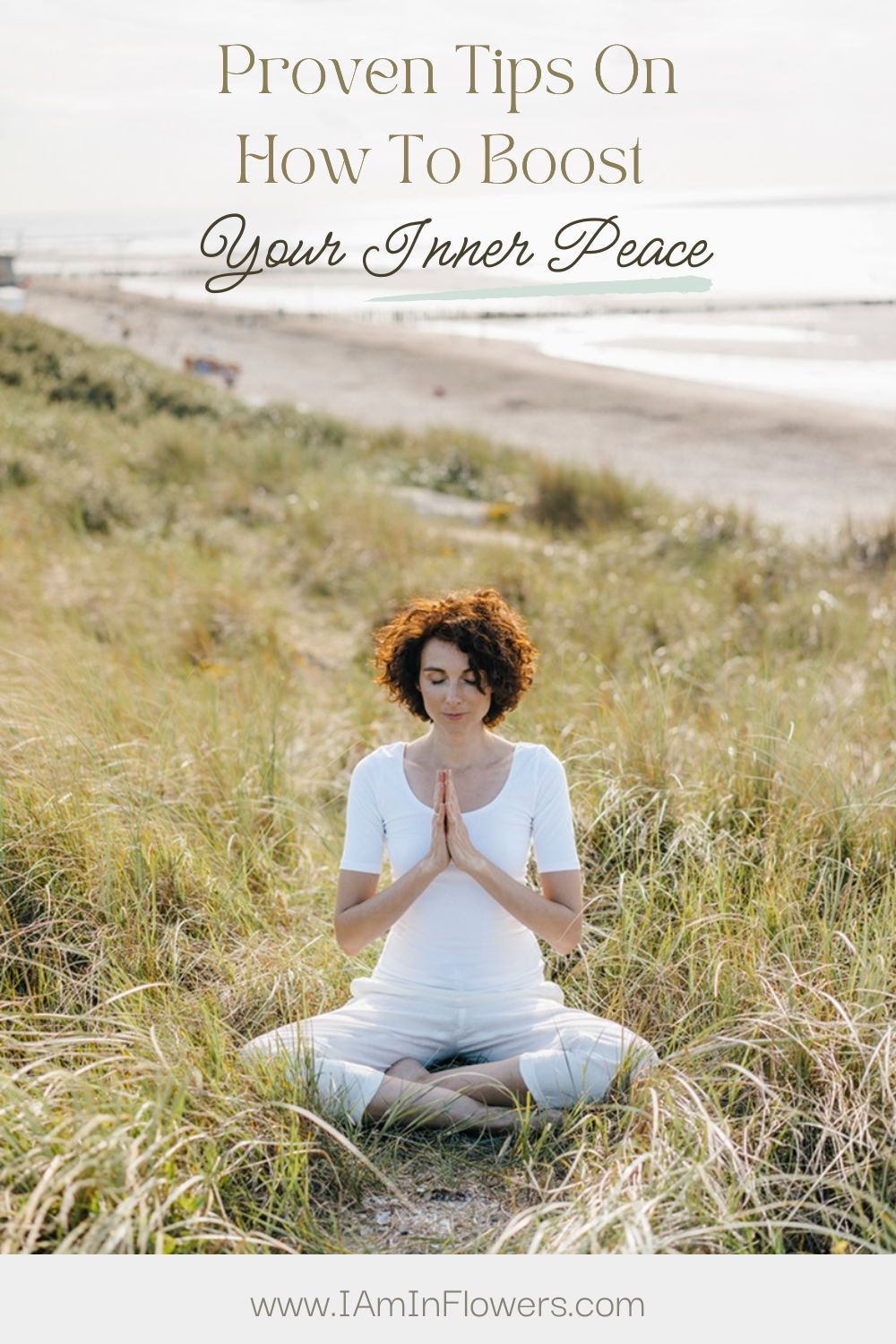
How Can You Start Cultivating Inner Peace?
Inner peace is achievable for everyone with dedication and practice. By setting aside routine activities, you can find peace within yourself and cultivate a peaceful mind over time.
To start cultivating inner peace, begin by setting aside time each day for quiet reflection. Practice deep breathing exercises or guided meditation. Engage in activities that bring you joy and relaxation.
Practice gratitude, as it is an important aspect of cultivating inner peace. Practicing gratitude can help shift your focus from negative emotions or stressful situations towards things in your life that bring you happiness.
Moreover, social media affects your ability to find inner peace. Social media has been linked to reduced mental well-being and increased feelings of anxiety and depression. By constantly comparing ourselves to others, we often feel inadequate or unworthy. So set limits on your social media use, as this can help promote mental health and inner peace.
Sometimes professional help, such as counseling or therapy, may be necessary for those who struggle to cultivate mental peace on their own. Mental health professionals can support you in developing healthy ways to process emotions and reduce stressors in your life.
Current Trends In Mindfulness Practices
In recent years, there has been a growing interest in mindfulness practices as a way to cultivate inner peace.
Mindfulness involves paying attention to the present moment without judgment or attachment to thoughts or emotions. This practice can help anyone become more aware of their thoughts and feelings without becoming overwhelmed by them.
One popular trend in mindfulness is the use of smartphone apps that offer guided meditation sessions and breathing exercises. These apps make it easier for people to incorporate mindfulness into their daily routines without having to attend formal meditation classes.
In addition, many workplaces now offer mindfulness programs as part of employee wellness initiatives to help reduce stress and improve productivity.
Another current trend is the integration of mindfulness practices in schools as a way to support students’ emotional well-being. By teaching children how to practice self-awareness and compassion towards themselves and others, teachers hope to foster healthier relationships and improved academic performance.
Future Prospects For Achieving Lasting Tranquility
As our understanding of mental health continues to evolve, so does our approach to achieving lasting tranquility through inner peace.
One promising area of research is the use of Virtual Reality (VR) technology as a tool to promote relaxation and stress reduction. Virtual environments can be designed to simulate peaceful settings, such as nature scenes or calming music concerts, which help people unwind after a long day.
In addition, Ecotherapy – spending time outdoors in nature has been shown to have numerous benefits for mental health.
Art Therapy – engaging in creative activities such as painting or drawing can help people express their emotions.
Mindful Movement – practices like tai chi or qigong combine gentle movements with breath awareness.
These emerging trends hold promise for those seeking new ways to find inner peace amidst the chaos of modern life.

Most Common Obstacles To A Peaceful Mind
Our journey to mental peace isn’t always smooth sailing. Stress, anxiety, overthinking, external pressures, and negative self-talk can all block the way.
Stress and Anxiety
Our fast-paced world throws a lot at us: work, finances, health, news. This persistent stress can trigger anxiety, a state of intensified worry and unease about the future.
Together, stress and anxiety create a restless mind, one that’s constantly on alert and unable to settle into a peaceful state. They hijack our attention, keeping us focused on perceived threats rather than the present moment.
Overthinking and Rumination
We get stuck analyzing situations, replaying past events, imagining alternative scenarios, or attempting to predict every possible future outcome.
We find ourselves caught in a loop of negative thoughts, rehashing past mistakes or perceived shortcomings. This mental hamster wheel not only robs us of inner peace, but can also lead to low self-esteem and an increased risk of depression.
External Pressures and Expectations
We feel pressured to constantly achieve and succeed, often comparing ourselves to others, particularly on social media. This can leave us feeling inadequate and can create a sense of never being enough, falling behind, or not measuring up.
Family expectations, cultural norms, and peer pressure add additional layers of complexity. We find ourselves in internal conflict and we struggle to reconcile our authentic selves with the personas we believe we should present to the world.
Negative Self-Talk and Limiting Beliefs
That voice in our head, shaped by past experiences and internalized messages, can be our own worst enemy. It’s filled with harsh self-judgment and limiting beliefs. We focus on our flaws and shortcomings rather than our strengths and potential.
Limiting beliefs, deeply held convictions about ourselves and the world that constrain our perceived possibilities, act as invisible barriers to growth and happiness. We tell ourselves that we are “not good enough,” don’t deserve success, or can’t handle change. Such negative internal dialogue and self-imposed limitations create a state of constant inner conflict, making true mental peace elusive.
But there’s hope! These obstacles are habits, not life sentences. By recognizing them, we can start to overcome them. Undeniably, inner peace is possible, even with life’s curveballs.
In Essence,
Cultivating inner peace is an essential practice that can enhance our well-being both mentally and physically. Embracing mindfulness practices can help you achieve a lasting feeling of tranquility in the midst of life’s challenges.
Even though finding inner peace requires dedication, patience, and commitment, the rewards of a peaceful mind are immeasurable.

