Are spirituality and religion the same thing? Although many people use these terms interchangeably, they actually cover entirely different approaches to life and self-development.
Religion is often associated with specific beliefs, rituals, and traditions, while spirituality is something more personal – it is a conscious journey toward self-discovery, inner transformation, and finding harmony in daily life.
Being spiritual is not theory but practice – it’s how we respond to difficulties, how we find joy in ordinary moments, and how we cultivate love and peace within ourselves. It is a choice for a conscious life, where instead of fear, anger, or judgment, we embrace gratitude, kindness, and inner freedom.
If you have ever wondered whether spiritual development is for you, how it differs from religion, and how it can change your everyday life, please continue reading. Maybe you will discover something that inspires you to look at yourself and the world in a whole new way…
What Is Spirituality? What Is Spiritual Development Really?
Spirituality is primarily a process of deep, internal transformation that takes place within us on an energetic and emotional level. It is not about rituals, specific techniques, chakra and pineal gland cleansing, or sitting with a shaved head in meditation under a tree. These are just external practices that relate to our body.
True spirituality touches the very essence of our existence. It is a transformation of our energy, our way of being, and our perception of the world. It is a journey within ourselves, during which we shed everything that is not harmonious and uplifting. It is a process of discovering who we really are by understanding our thoughts, beliefs, and mental programs that shape us.
Spiritual development involves consciously choosing love, goodness, and harmony in everyday life. It is about learning to view ourselves with love and acceptance, recognizing the limiting programs and beliefs we hold, such as feelings of inadequacy, being ugly, or aging.
When we voice these beliefs and consciously decide not to choose them, we begin to uncover the truth – that we are here to live beautifully and fully, without the unnecessary “buts” that only limit us.
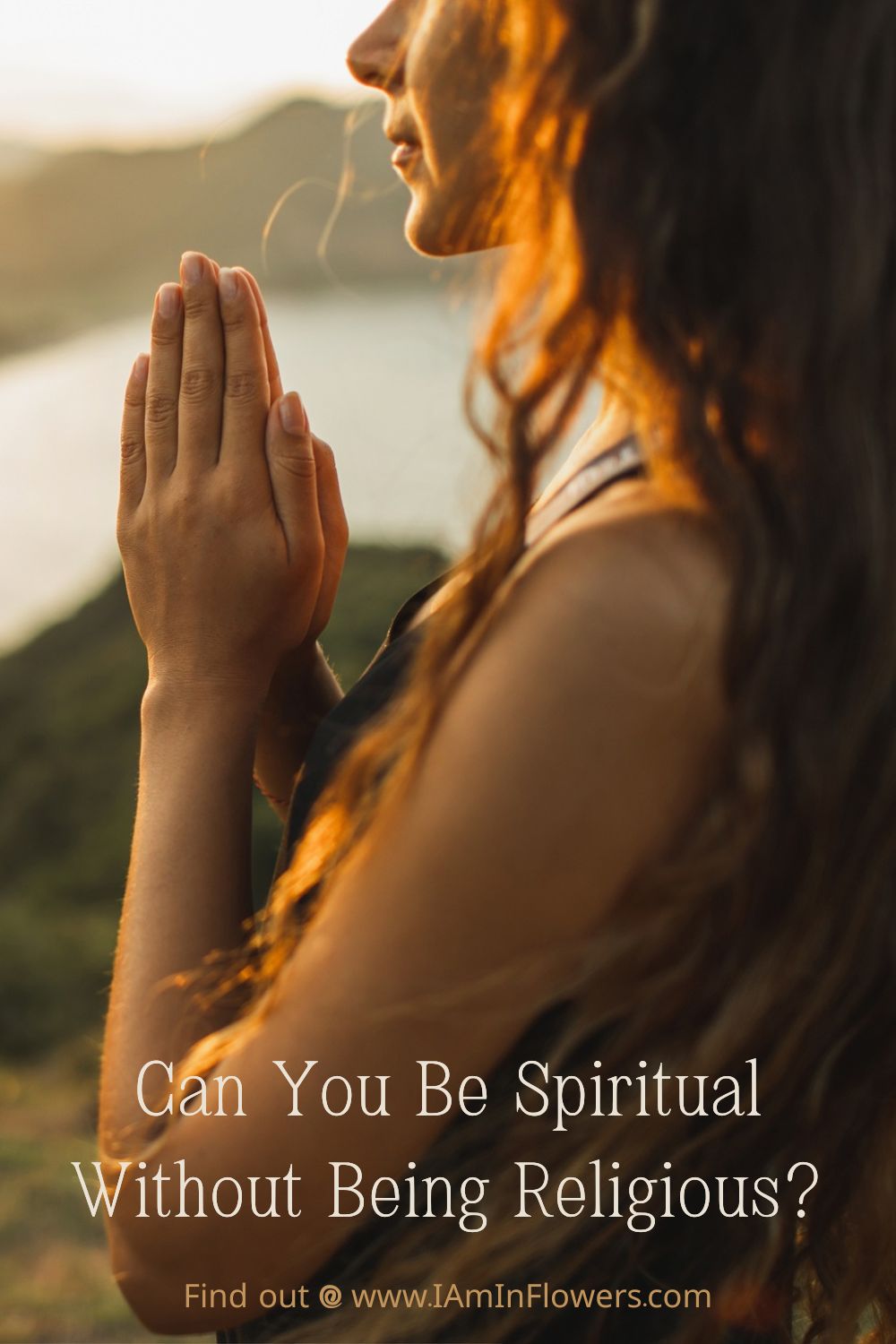
What truly matters in spirituality is becoming a good person and discovering the love within ourselves that radiates outward to everything around us. It is about consciously choosing to live in love, lightness, and authenticity.
Being spiritual also means understanding that nothing from the outside will change us. It is we ourselves, through an act of will, who can decide about our life and emotions. Instead of giving in to sadness, grief, or other difficult emotions, we can recognize them as mental programs and consciously transform them – by choosing joy and peace.
So spirituality is the transformation of oneself into divinity, into a state where every word, thought, and action is filled with goodness. When we reach this state, we rediscover life in all its beauty and depth.
In practice, this means that we do not need complicated rituals or lengthy meditations as these could become yet another attachment. It is about being mindful in every moment of life, living in harmony with oneself and the world, and allowing ourselves to live in love and light.
Being spiritual is not striving for something external, but becoming it – goodness, love, and light. The ultimate goal is to transform oneself in such a way that every thought, word, and action is an expression of harmony.
The question of what spirituality is can be answered simply: striving to be a good person. It is this daily transformation that makes our lives like a beautiful, ongoing meditation – full of peace, joy, and wonder at every moment.
How Can You Tell If Someone Is Spiritual?
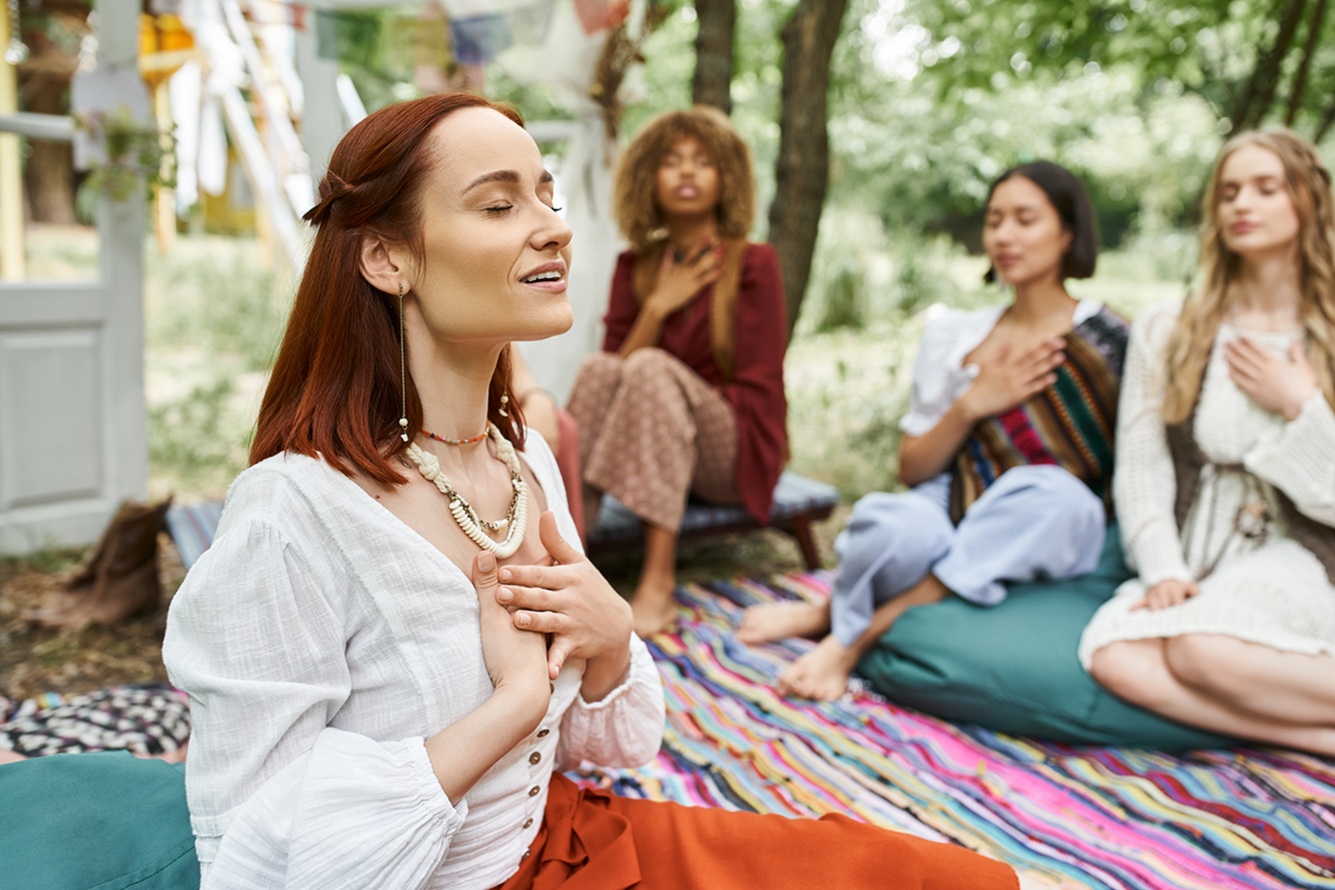
A spiritual person can be recognized by their energy, peace, and kindness. Their voice is like velvet, it’s gentle, full of sincerity and love. They do not get swept away by negative emotions – they are not driven by jealousy, greed, or anger. Instead, they accept things as they are and act from a place of inner harmony.
True spirituality manifests in nobility – in the way one thinks, speaks, and acts. It is someone who does not gossip, ridicule, or lie, because their goal is to spread goodness. Everyone can stumble, but what matters is the conscious choice of an attitude full of love and kindness.
Such a person does not chase great desires; they simply are – they enjoy life, appreciate every moment, and inspire others with their presence. True spirituality does not require proving itself – it naturally manifests in how someone speaks, thinks, and lives.
How To Define Religiosity And Being Religious?
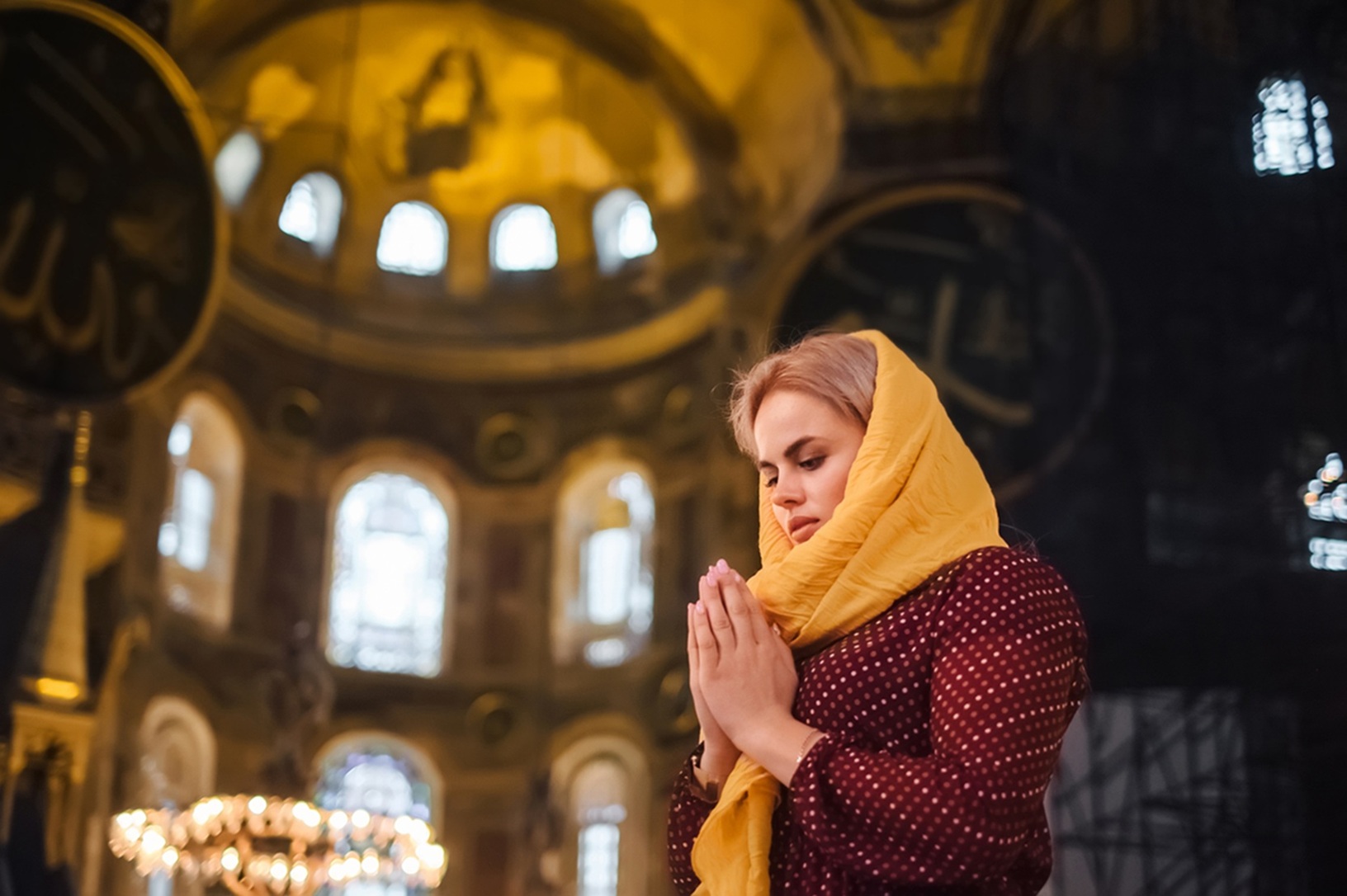
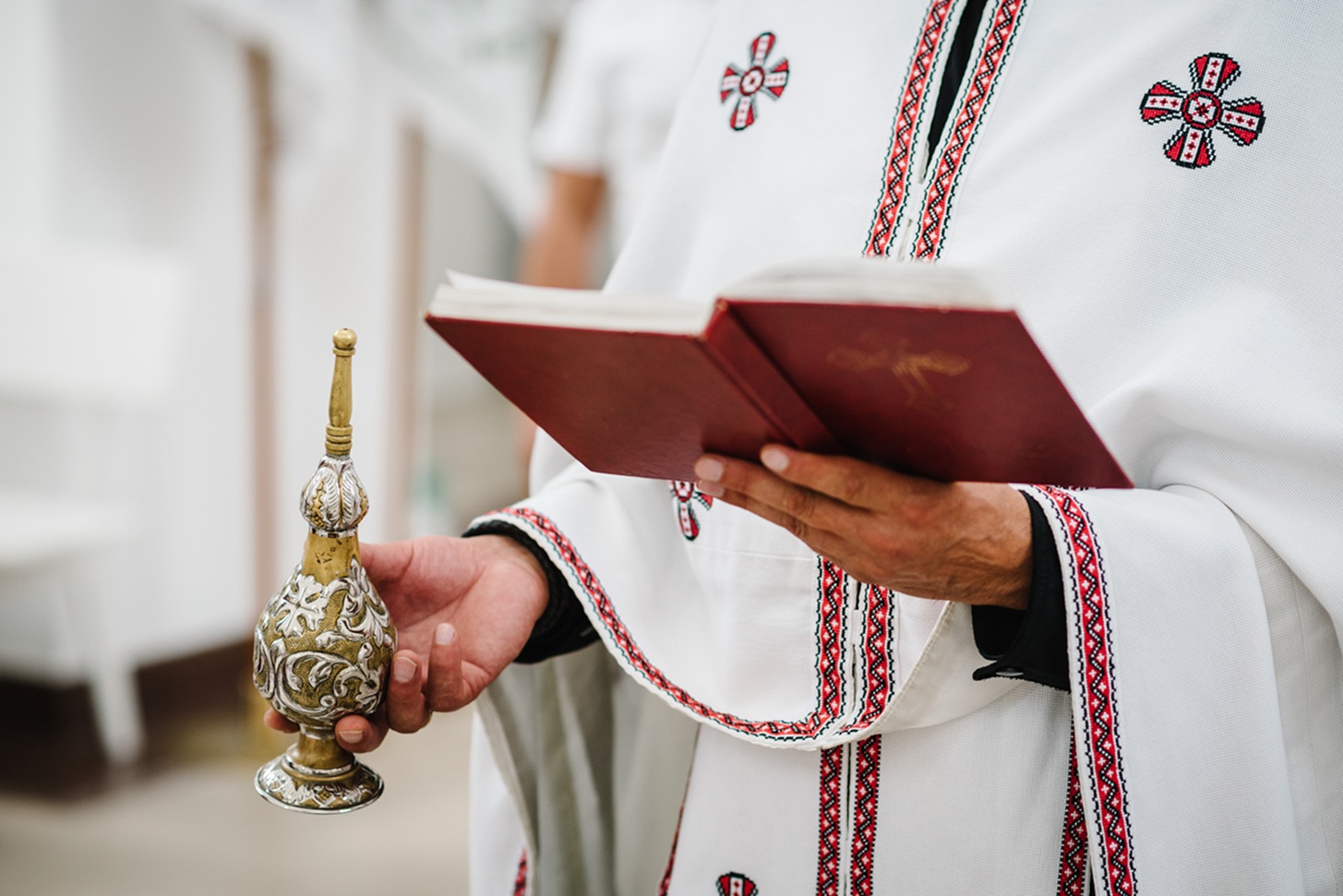
Religiosity is the adherence to the rules, beliefs, and practices of a specific religious tradition. It involves participating in rituals, prayers, and teachings derived from the doctrine of a particular faith.
Being religious often means identifying with a specific religion and its system of values, however, it does not always go hand in hand with a deep spiritual experience.
Religion is often transmitted culturally – in schools, families, and society – and is sometimes seen as a set of commands and prohibitions. Instilled beliefs, such as “everyone must bear their own cross,” can lead to living with a sense of burden rather than in freedom and joy.
It’s important to note that religiosity is not the same as conversing with God. God is not confined to any one religion – it is a personal experience that does not require institutional intermediaries. Many people live devoutly within their tradition, and they don’t understand that God is not limited to one religion.
But it’s about enjoying life, about having fun with yourself. And that frees you, you don’t need anything. You shouldn’t produce scenarios, you shouldn’t waste your thoughts on trivial things, but instead focus on your own joy and on creation.
Religion structures beliefs, but it does not always open a person up to independent thinking and spiritual discovery. School often lacks space for critical thinking, philosophy or learning about different approaches to spirituality, which can leave young people unaware of other perspectives.
How To Work On Your Spirituality?
Working on your spirituality is a process of inner transformation that makes life simpler, more beautiful, and fuller of joy. True spirituality is not about theorizing or escaping reality, but about conscious action that leads to peace, love, and harmony in everyday life.
Here are key steps in working on spirituality:
⁕ Practical transformation
Inner change has a real impact on reality. Every positive change increases your aura and influence on the world.
⁕ Peace and freedom
True spirituality is not about shutting yourself off in rituals or theories, but about the freedom to be yourself, about acceptance and harmony. You don’t have to do anything – you can choose to do everything!
⁕ Action over words
It’s not just about talking about spirituality, but living it. Being a good person, doing good, and expressing love in practice is the foundation.
⁕ Joy and freedom from the fear of failure
Every life experience enriches you. There are no failures – only lessons and opportunities for growth. So enjoy yourself and your life!
Spirituality is not a passive state but an active choice to embrace positive, uplifting energy at every moment. It is a conscious, loving action that transforms not only you but also the entire world around you.
You consciously decide not to delve into sadness or negative emotions but to choose joy, peace, and love. By doing so, you become a being who not only talks about spirituality but lives it – transforming every aspect of your life into a space full of harmony and beauty.
Should You Pursue Spiritual Development?
Yes, it is definitely worth pursuing spiritual development because it is a path to true self-understanding and achieving inner harmony.
The modern world is full of people who show a smile on the outside but inside, they struggle with sadness, anxiety, or emptiness. But you cannot pretend to be happy indefinitely. Sooner or later, you have to look deep within yourself and confront what you truly feel. Spiritual development is the work on yourself that allows for changing your inner state rather than just masking it.
There is no other path to true fulfillment – maturing in wisdom, kindness, and awareness leads to deep peace and authentic joy in life. Spirituality is not an escape from reality, but a conscious shaping of it in order to live more fully and happily.
What Is The Essence Of Spiritual Development?
The true essence of spiritual development is the transformation of yourself – a conscious effort to work on your own emotions, reactions, and perception of reality.
Spiritual development is a process of moving from unconscious, automatic reactions like anger, jealousy, or rage – to a state of inner harmony, peace, and love. It involves creating a space within yourself where, regardless of external events, you remain in a state of bliss, smiling, and acceptance.
The pursuit of spiritual growth is a choice not to be drawn into the chaos of emotions and conflicts, but instead to consciously choose joy, lightness, and happiness. It is the ability to find beauty in each moment and to bless everything that happens to us – both the pleasant and what seems difficult.
True spirituality is not about theory or knowledge but about practically transforming oneself. It is the vibration of kindness, tenderness, and love that becomes your daily presence. It is the ability to be like Buddha under the tree – smiling, calm, entirely unaffected by what is happening to him.
Ultimately, it is about choosing inner peace and happiness every day. Because it is you who decide who you are and how you react.
To Come To The Point…
Spirituality and religion can go hand in hand, but they don’t have to. Religion provides structure, tradition, and community, while spirituality is a personal journey inward, towards greater awareness, peace, and love.
Regardless of which path you choose, the most important thing is whether you feel it leads you to inner harmony and fulfillment.
True spirituality is not a collection of theories, but a daily practice – the way you respond to life, how you treat others, and how you find joy in each moment.
So whether you meditate, pray, or simply learn to be more present and grateful, remember: you choose your own path. And it is in that choice that true freedom lies.

