
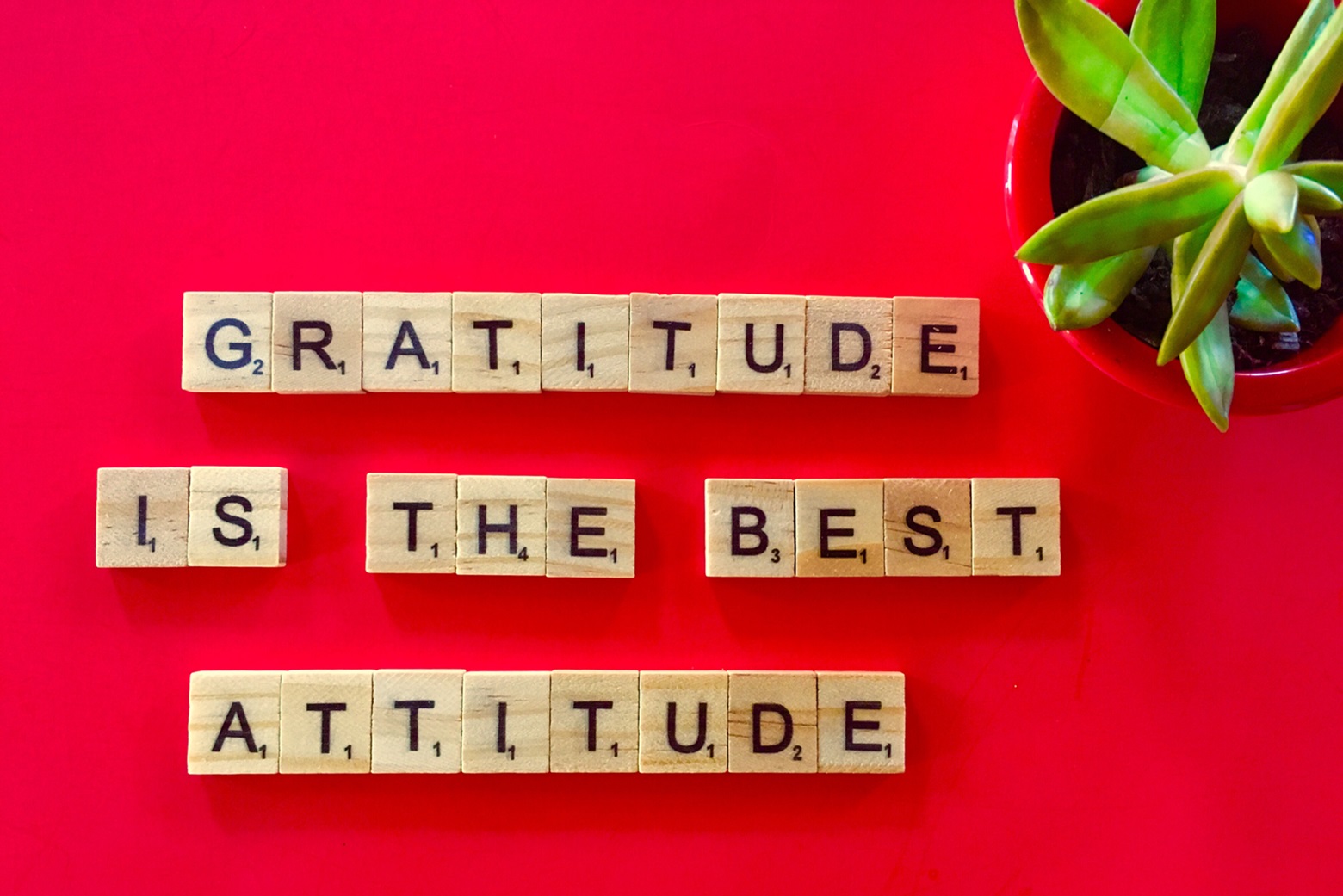
In our daily lives, we often get caught up in the whirlwind of activities and responsibilities. These, sadly, leave us little time to stop and reflect, and in all this hustle we sometimes forget to appreciate the most basic things that life has offered us. This is where the power of gratitude comes in.
Keep reading to understand what gratitude is, why it is important, and to find out if it can really change your life.
What Is Gratitude And Why Is It Important?
Gratitude can be defined as an emotion to express appreciation for what you have received, whether tangible or intangible, small or big.
Through gratitude, you may acknowledge the goodness in your life and connect to something greater than yourself – whether it’s other people, nature, or a higher power.
Gratitude is not just about being polite and saying ‘thank you’. It is a deep sense of appreciation and thankfulness for the blessings we receive each day. Whether these blessings are as simple as a hot cup of coffee, or as intense as a loving relationship, gratitude serves as a powerful antidote to the stresses and strains of daily life.
We may attribute these blessings to the natural course of life, the kindness of others, or a higher power, but the act of recognizing and receiving them has the ability to transform our lives in profound ways.
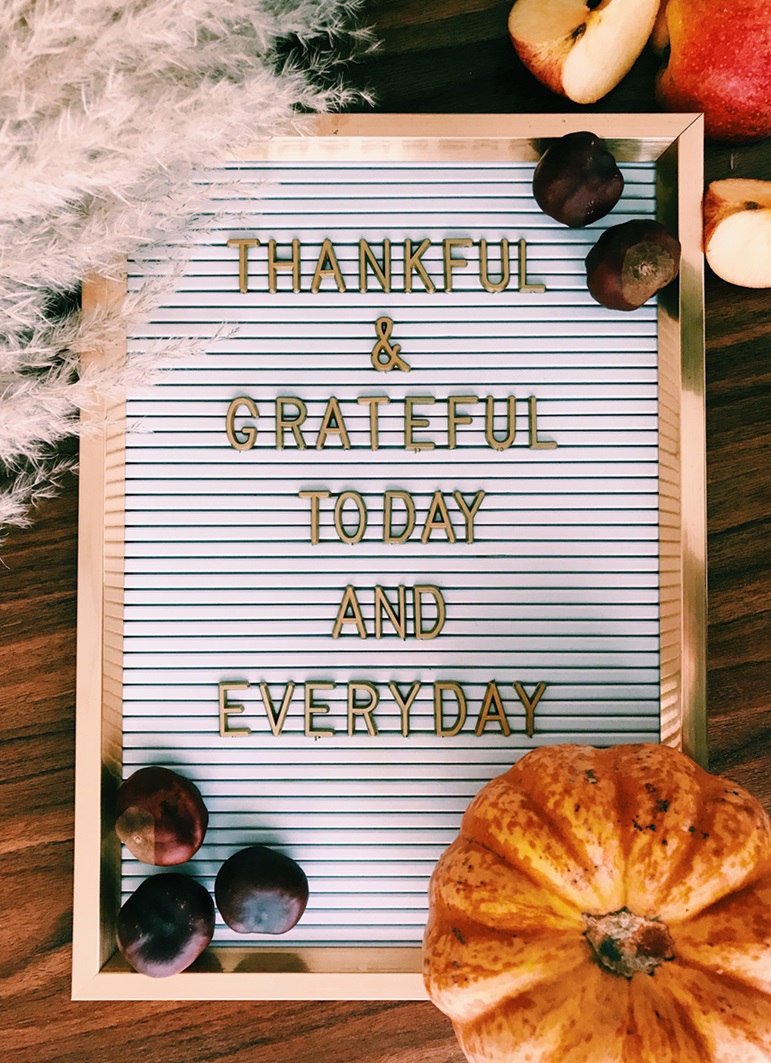
Gratitude is important because it encourages us to slow down, to take some time to truly see and feel the richness of the present moment. It reminds us that even when we face challenges, there is always something to be thankful for. That’s a silver lining that can bring us comfort, peace, and a renewed sense of purpose.
However, gratitude doesn’t mean ignoring your problems. Instead, it allows you to celebrate the present by focusing on what’s working instead of dwelling on what is not. It helps shift your focus from what you think you lack in life to the abundance you already have.
A long time ago, during the hard times of the Russian Revolution, someone saw a man running down the street with only one shoe. “Hello!” he shouted, ”You lost your shoe!”. The man smiled: “No, I didn’t lose it. I found it!” A state that might seem like a lack to you, is a dream come true to someone else. Take a look around. Everyone is fighting for something and struggling with something. There’s no point in comparing your situation with that of others – it just doesn’t work. It’s better to appreciate what you already have and be grateful for it. One shoe is always better than none! It is like a glass half full, not half empty.
Being grateful has spiritual benefits because it helps us feel connected to our inner selves. It’s about focusing on the good things in our lives right now, instead of dwelling on past mistakes or worrying about what might happen in the future.
By cultivating gratitude, we open ourselves up to a more fulfilling and meaningful life, where each day is filled with appreciation and wonder for the world around us.

An Outlook On The Practice Of Gratitude Across Different Cultures And Religions
Gratitude has been a core part of spiritual practices in all cultures and religions, where it’s believed to be the key to a healthy and happy life.
In Buddhism, gratitude is considered one of ten perfections, or ‘paramitas’, that any person should work on to become a better person spiritually. It’s all about acknowledging the good in your life and appreciating it. This kind of gratitude helps you stay present and mindful, which is central to Buddhist teachings.
Similarly, Christians are encouraged by the Bible to be grateful, in which the scripture (Thessalonians 5:18) invites them to “give thanks in all circumstances.” Whether things are going great or not so great, there’s always something to be thankful for. Practicing gratitude in Christianity is seen as a way to maintain a strong connection with God and to keep a positive outlook on life.
In Islam, gratitude, known as ‘shukr’, is mentioned many times in the Quran and is considered a major virtue. Muslims are encouraged to express gratitude to Allah for all the blessings in their lives, and not just through words but also through their actions. The Quran emphasizes gratitude, saying that those who give thanks will be given more (Quran 14:7).
In Hinduism, the concept of ‘gratitude’ is called ‘kritagnyata’ and is often linked to the idea of ‘karma’, or the law of cause and effect. Gratitude is seen as a way to create positive karma and attract good things into your life. Hindus also believe in the concept of ‘kripa’, or grace, which is the idea that everything we have is a gift to be cherished.
In Judaism, the concept of gratitude is deeply rooted in daily prayers and blessings. Jews recite the Modeh Ani prayer each morning, expressing gratitude for waking up to a new day. They also say blessings, or ‘brachot’, to give thanks for the simple pleasures of life, like enjoying a good meal or seeing a rainbow.
And in indigenous cultures, gratitude often plays a central role in their relationship with nature. Many Native American traditions include prayers of thanks to the animals, the Earth, and the spirits for providing food, shelter, and guidance. These expressions of gratitude reinforce the belief that humans are deeply connected to the natural world and should live in harmony with it.
Gratitude is more than just a nice idea. It’s a core part of spiritual life that helps people around the world find peace, stay connected to their beliefs, and lead happier, healthier lives. Being thankful really can transform your life. So, why not start your own gratitude practice today? It could be as simple as taking a moment each day to appreciate the good things in your life. Give it a try, and watch how your life changes!

How Does Cultivating An Attitude Of Gratitude Change Your Life?
Let’s now talk about how bringing gratitude into our daily lives can spark some positive changes!
• Improved Physical Health
Studies show those who practice gratitude regularly have lower blood pressure, better immune function, and are less likely to develop a mental disorder.
• Enhanced Mental Strength
Grateful people have higher levels of positive emotions, life satisfaction, vitality, optimism, and lower levels of depression and stress.
• Strong Relationships
Gratitude helps in building strong relationships. Saying ‘thank you’ to a partner or friend nurtures the relationship by showing that you appreciate what they do.
• Help With Forgiveness
Being grateful can make it easier to forgive because it shifts your focus to the good stuff instead of being stuck on the things that hurt.

How Can You Practice Gratitude?
Gratitude is not just an emotion. It is a mindset that you can work on and get better at. Here are some simple ways through which you can practice gratitude:
♥ Keep A Gratitude Journal
Daily jot down what you’re thankful for. Sometimes, putting your thoughts down on paper can be super powerful. You don’t have to be a pro writer to express what’s in your heart. Just write about why you’re grateful for that person or thing, and how it’s made your life better.
♥ Mindfulness Meditation
Practice mindfulness meditation with a focus on developing an attitude of gratitude.
♥ Expressing Gratitude Verbally
Don’t be shy to verbalize your gratitude. Say it out loud! It could be as simple as telling your friend, “Hey, thanks for being there for me yesterday, it really meant a lot.” Hearing a genuine ‘thank you’ can make someone’s day!
♥ Sending Gratitude Virtually
Shoot someone a quick text message or email to let them know you’re thinking of them or appreciate something they did.

♥ Gratitude Reminders
Use visual reminders like post-it notes around your home or office with quotes or messages of gratitude.
♥ Gratitude Jar
Write down things you’re thankful for and pop them into a jar. Later on, you may read through them and be reminded of all the awesome things in your life. It’s like a little time capsule of gratitude!
Final Words…
Showing gratitude isn’t just about feeling good for a moment. It can really boost your overall happiness, improve the quality of your life, and even help you grow spiritually.
So, I invite you to start this journey today. Work on making gratitude a big part of your daily routine. Instead of just going through life, make an attempt to be grateful for everything, every single day. Because when you’re thankful, you’ll realize how lucky you are and how much there is to appreciate in life.

